Asana is a widely used project management tool, but many accounting firms eventually find that it does not fully support the way their work operates. Firms managing recurring client services, regulatory deadlines, and standardized processes often need more than a general task management platform.
This guide breaks down why accounting firms look for Asana alternatives, reviews the most common tools evaluated, and explains when a purpose-built accounting workflow system is the better fit.
Key Takeaways
-
Asana is built for general project management, not recurring accounting workflows.
-
Accounting firms often outgrow Asana due to manual task duplication and limited deadline visibility.
-
Karbon is accounting-specific but can feel rigid for firms with evolving processes.
-
ClickUp, monday.com, and Smartsheet offer flexibility but require heavy customization to support accounting work.
-
Purpose-built accounting workflow software reduces manual work by handling recurring deadlines natively.
-
Jetpack Workflow is designed specifically for accounting, bookkeeping, tax, and payroll firms managing client-based work at scale.
Asana works well for general project management but lacks native support for recurring accounting workflows and firm-wide deadline visibility. Accounting firms often evaluate Karbon, ClickUp, monday.com, and Smartsheet as alternatives. For firms managing recurring client work at scale, accounting-specific workflow software like Jetpack Workflow is often a more practical long-term solution than adapting general tools.
Why Accounting Firms Look for Asana Alternatives
Asana was built for cross-functional teams managing projects of varying types. Accounting firms, however, operate on recurring, deadline-driven work tied to clients, not one-off projects.
Common reasons accounting firms move away from Asana include:
-
Monthly, quarterly, and annual work must be recreated or duplicated manually
-
No native concept of accounting deadlines or compliance cycles
-
Limited visibility across all clients and services
-
Difficulty enforcing standardized processes firm-wide
-
Heavy reliance on custom fields, rules, and manual maintenance
-
Increased administrative overhead as the firm grows
For small teams or internal initiatives, Asana can work well. As client volume and service complexity increase, these limitations become more costly.
Why Accounting Firms Move Off Asana
Accounting firms typically move off Asana when recurring client work becomes difficult to manage at scale. Asana requires firms to manually recreate tasks and projects for each period, which increases the risk of missed deadlines and inconsistent processes. Because Asana is not designed around client-based workflows, firms often struggle to see all deadlines, workloads, and responsibilities in one centralized view. Over time, the manual effort required to maintain Asana outweighs its flexibility, leading firms to adopt accounting-specific workflow software.
Common Asana Alternatives Used by Accounting Firms
Below are the tools most frequently evaluated by accounting, bookkeeping, tax, and payroll firms when replacing or supplementing Asana.
Karbon

Karbon is designed specifically for accounting firms and focuses on workflow, collaboration, and visibility.
Strengths
-
Built for accounting and tax workflows
-
Strong client and email integration
-
Clear workload visibility
-
Accounting-centric task organization
Limitations
-
Workflow updates can be time-consuming to roll out across all clients
-
Less flexible for firms with highly customized processes
-
Can feel restrictive for evolving service offerings
Karbon is often chosen by firms that want accounting-specific structure with less customization.
ClickUp
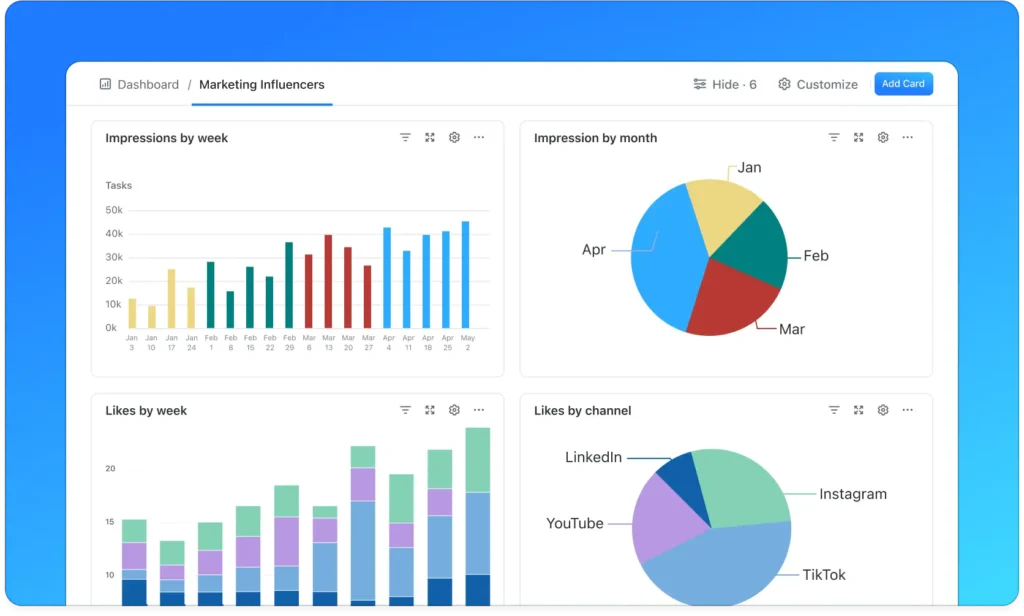
ClickUp is a flexible, general project management platform used across industries.
Strengths
-
Highly customizable workflows
-
Robust automation options
-
Strong integrations
-
Competitive pricing at entry levels
Limitations
-
Requires significant setup for accounting workflows
-
No native support for recurring client deadlines
-
Complexity increases as workflows scale
-
Ongoing maintenance required
ClickUp can work for firms willing to invest in configuration and internal operations support.
monday.com
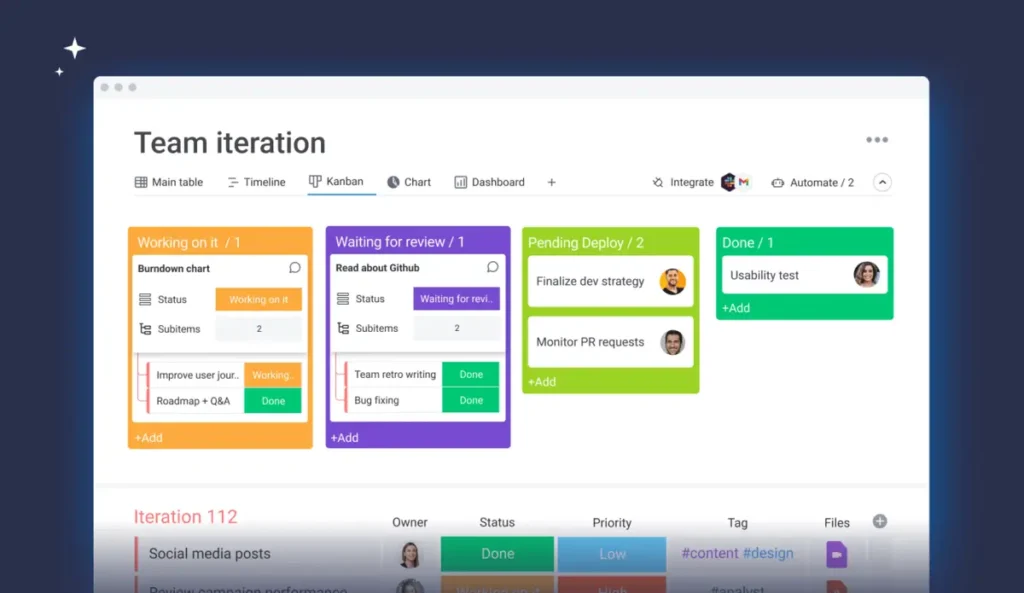
monday.com offers a visual, board-based approach to work management.
Strengths
-
Clean, intuitive interface
-
Flexible board creation
-
Strong automation and integrations
-
Good for internal team collaboration
Limitations
-
Not designed for client-based accounting work
-
Recurring workflows require manual duplication
-
Limited firm-wide client visibility without complex setups
Many accounting firms use monday.com for internal projects rather than core client delivery.
Smartsheet
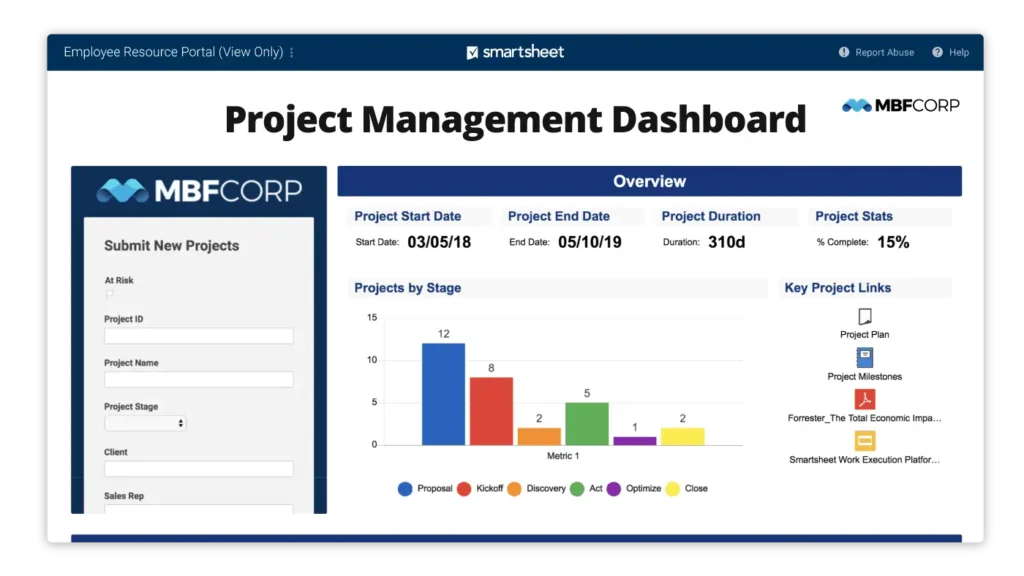
Smartsheet combines spreadsheet-style layouts with project management features.
Strengths
-
Familiar spreadsheet format
-
Strong reporting and dashboards
-
Good for structured project tracking
-
Useful for operations-driven teams
Limitations
-
Steeper learning curve
-
Heavy configuration for recurring accounting work
-
Not built around client workflows
-
Requires ongoing administrative effort
Smartsheet is often favored by firms with strong operations teams but can be complex to maintain.
Where Jetpack Workflow Fits as an Asana Alternative
Jetpack Workflow is built specifically for accounting, bookkeeping, tax, and payroll firms. Unlike general tools, it is designed around recurring client work rather than one-off projects.
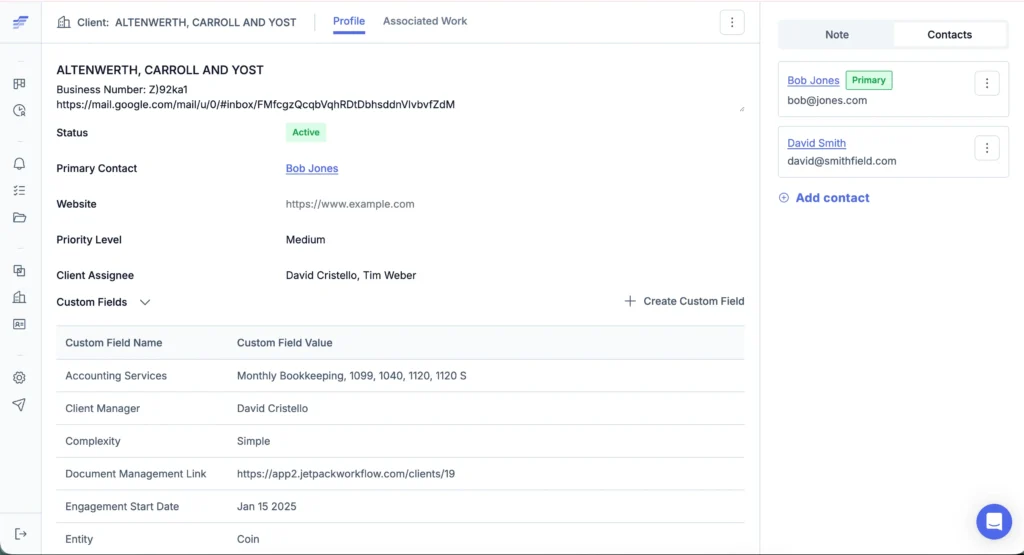
How Jetpack Workflow Differs
Jetpack Workflow focuses on the operational realities of accounting firms.
Key differences include:
-
Native support for recurring monthly, quarterly, and annual workflows
-
Centralized visibility across all clients and deadlines
-
Global workflow updates that apply across current and future clients
-
Accounting-specific workload and capacity reporting
-
Designed for standardization without heavy customization
Firms create workflows once and manage them consistently at scale.
When Jetpack Workflow Is the Better Choice
Jetpack Workflow is typically a better fit when a firm:
-
Manages recurring client services
-
Needs consistent processes across teams
-
Tracks large volumes of deadlines
-
Is scaling beyond spreadsheets and task lists
-
Wants less manual configuration and maintenance
Jetpack Workflow vs Asana for Accounting Firms
| Feature | Jetpack Workflow | Asana |
|---|---|---|
| Primary use case | Accounting, bookkeeping, tax, and payroll workflows | General project and task management |
| Designed for accounting firms | Yes | No |
| Recurring client workflows | Built-in and native | Requires manual duplication or workarounds |
| Monthly, quarterly, annual deadlines | Native support | Manual setup required |
| Client-based workflow structure | Yes | No native client concept |
| Firm-wide deadline visibility | Centralized across all clients | Limited without complex reporting |
| Workflow standardization | Designed for firm-wide consistency | Relies on templates and manual enforcement |
| Global workflow updates | Update once, apply across all clients | Must update tasks or projects individually |
| Setup complexity | Accounting-specific, minimal configuration | Requires customization to fit accounting use cases |
| Ongoing maintenance | Low | Increases as workflows scale |
| Best suited for | Firms managing recurring client work at scale | Teams managing one-off or internal projects |
Jetpack Workflow is built specifically for recurring accounting work and client-based deadlines, while Asana is a general project management tool that requires manual setup and ongoing maintenance to support accounting workflows. Accounting firms managing recurring services often choose Jetpack Workflow for scalability and visibility rather than adapting Asana.
Conclusion
Asana is a capable project management platform, but it is not designed for the recurring, deadline-driven nature of accounting work. While tools like Karbon, ClickUp, monday.com, and Smartsheet each offer value, many accounting firms ultimately choose software built specifically for their operational needs.
For firms managing recurring client work at scale, purpose-built accounting workflow software such as Jetpack Workflow often provides clearer visibility, less manual effort, and more consistent execution.
You can also review our detailed comparison guides if you are evaluating multiple options. These include Jetpack Workflow vs Karbon, Jetpack Workflow vs TaxDome, Jetpack Workflow vs Canopy, and Jetpack Workflow vs Financial Cents, each offering a clear breakdown of features, workflows, pricing, and which type of firm each platform is best suited for.
Jetpack Workflow is built specifically for accounting firms to manage recurring work, track deadlines, and standardize processes across every client. Start a free trial to see how accounting-focused workflow management works in practice.
Frequently Asked Questions
Is Asana good for accounting firms?
Asana can work for small teams or internal projects, but it lacks native support for recurring accounting workflows, deadlines, and client-based visibility.
Why do accounting firms outgrow Asana?
Firms outgrow Asana when manual task duplication, limited deadline visibility, and lack of standardized workflows create operational risk and inefficiency.
What is the best Asana alternative for accountants?
The best alternative depends on firm needs. Karbon is accounting-specific, while ClickUp, monday.com, and Smartsheet are general tools. Many firms choose accounting-specific workflow software for long-term scalability.
Can ClickUp or monday.com replace Asana for accounting?
They can, but both require significant customization and ongoing maintenance to support recurring accounting workflows.
What software is built specifically for accounting workflows?
Jetpack Workflow is designed specifically for accounting, bookkeeping, tax, and payroll firms managing recurring client work and deadlines.